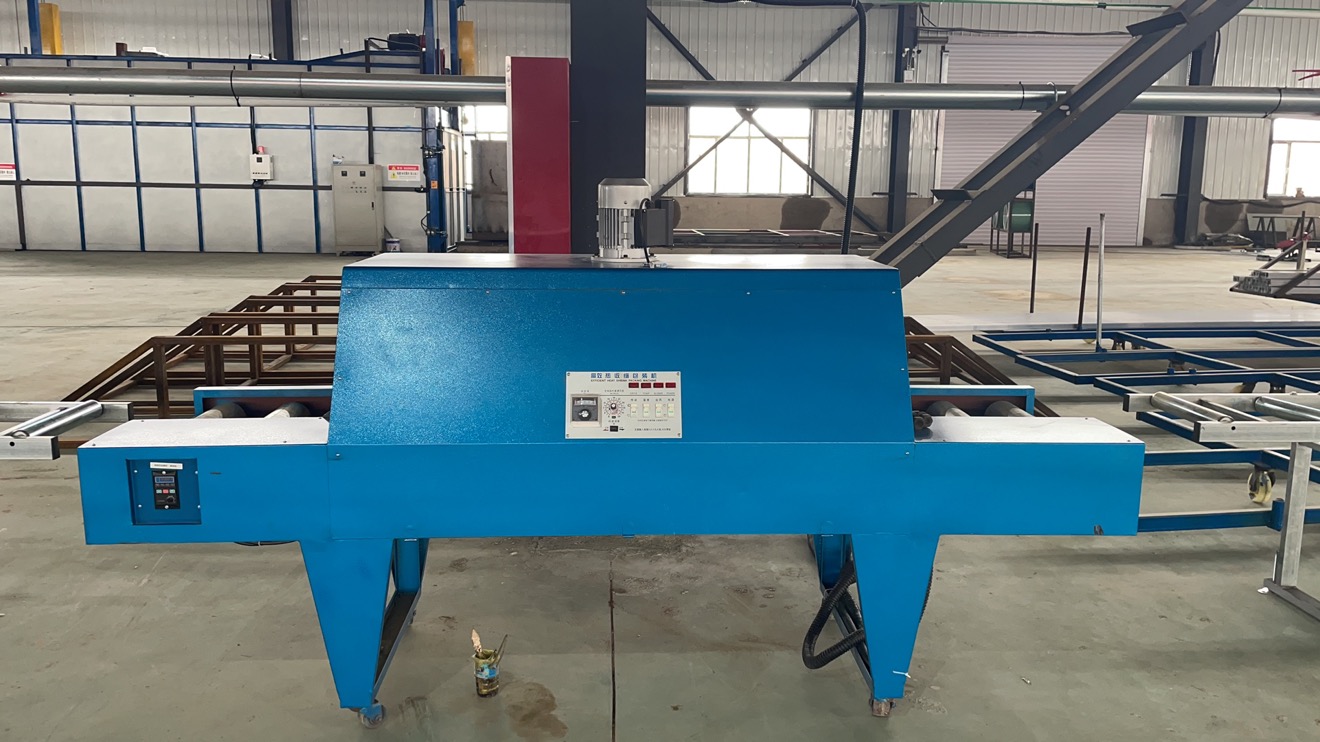
In the aluminum manufacturing and processing sector, picking a customized aluminum shrink pack machine is a strategic investment that directly shapes production efficiency, product integrity, labor costs and long-term business profitability. A poorly matched machine often triggers frequent downtime, inconsistent packaging, wasted consumables and even damage to high-value aluminum profiles, tubes or sheets during storage and shipping. To avoid these costly risks and find equipment tailored to your unique operational needs, a targeted, multi-factor evaluation is essential. Below we break down the six core considerations for a smart, practical selection process, condensed to deliver clear, actionable guidance for industrial buyers.
1. Product Specifications & Packaging Requirements
Start with a precise breakdown of your product traits and packaging goals, the foundation of the entire selection. Document key details: aluminum product shape (round, square, irregular), length range (typically 1–6 meters for standard profiles), cross-sectional dimensions and surface sensitivity (finished aluminum requires scratch-proof packaging). Then confirm your core packaging method: bagging for small parts, orbital or stretch wrapping for long profiles (to block dust and moisture), and bundling for bulk standardized shipments. Skipping this step risks buying equipment that fails to fit your product size, leading to expensive retrofits or early obsolescence.
2. Production Efficiency & Throughput Needs
Production speed and stability are non-negotiable, and balance is key to avoiding workflow bottlenecks. Calculate your required throughput based on daily production targets, measured in meters per minute or pieces per hour. Large extrusion plants need high-speed machines to match upstream output, while small custom workshops prioritize stable mid-speed performance over maximum speed. Avoid prioritizing raw speed alone: overly fast operation causes film misalignment, loose wrapping or torn bags, creating rework and quality flaws. Opt for machines with adjustable speed settings to maintain consistent quality across peak and low-volume orders.
3. Automation & Intelligent Features
Modern industrial packaging relies on automation to cut labor costs and reduce downtime. Assess your automation level based on production complexity: semi-automatic models suit small-scale, low-variety operations, while fully automatic machines fit high-mix, high-volume facilities. Key smart features to prioritize include servo control for precise operation, recipe storage for fast product changeovers, automatic fault diagnosis to minimize downtime, and user-friendly touchscreen controls. While these features raise upfront costs, they drastically cut manual labor, reduce human error and speed up production shifts for long-term savings.
4. Compatibility & Production Flexibility
Manufacturing needs evolve constantly, so your packaging machine must adapt to future product changes to avoid early replacement. Flexibility is critical for businesses expanding product lines or taking custom orders: check if the machine can switch between different sizes and lengths with minimal tool adjustments, and if it integrates smoothly with your existing extrusion, cutting and logistics lines. Modular, adaptable designs are ideal; rigid single-purpose machines will become a liability as your product range grows, leading to extra capital expenses later.
5. Brand Reputation & After-Sales Service
Industrial packaging equipment is a long-term asset, so supplier credibility and after-sales support matter as much as technical specs. Research manufacturers with proven expertise in aluminum packaging, positive client feedback and reliable R&D capabilities. Focus on after-sales metrics: fast service response, timely spare parts supply, global service coverage (for international businesses) and operator training. Avoid low-cost unbranded machines with limited support—initial savings will be wiped out by frequent breakdowns and prolonged production halts. Reputable suppliers offer full warranties and ongoing maintenance to keep equipment running smoothly.
6. Total Cost-Effectiveness & Long-Term ROI
The biggest selection mistake is fixating only on upfront purchase price instead of total cost of ownership (TCO) and return on investment (ROI). Low-cost machines often carry hidden costs: high energy use, excessive film waste and frequent repairs. Evaluate full ongoing costs, including energy consumption, consumable usage and maintenance fees, then calculate the ROI cycle by comparing total investment to projected labor and waste savings. A slightly higher-quality machine with moderate upfront costs delivers far better long-term value, with lower operating costs and longer lifespan. Prioritize energy-efficient, low-waste models to maximize profitability over time.
Choosing the right aluminum heat shrink packing machine means balancing current needs with future growth, performance with cost efficiency. By evaluating these six core factors, you can avoid costly purchasing errors and invest in equipment that streamlines packaging workflows, protects aluminum products and supports sustainable business growth. This targeted evaluation ensures a reliable, high-return asset for your daily operations.