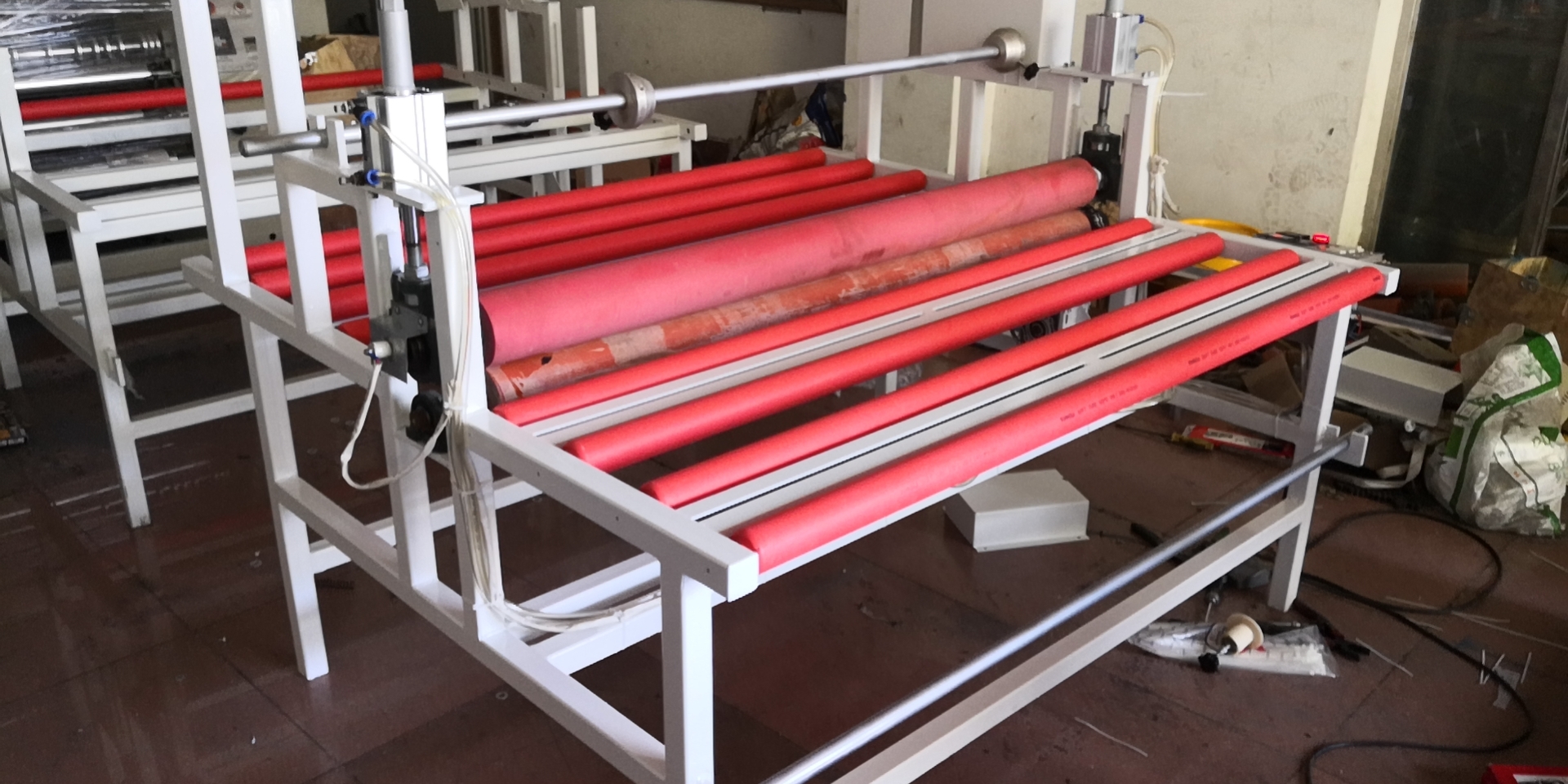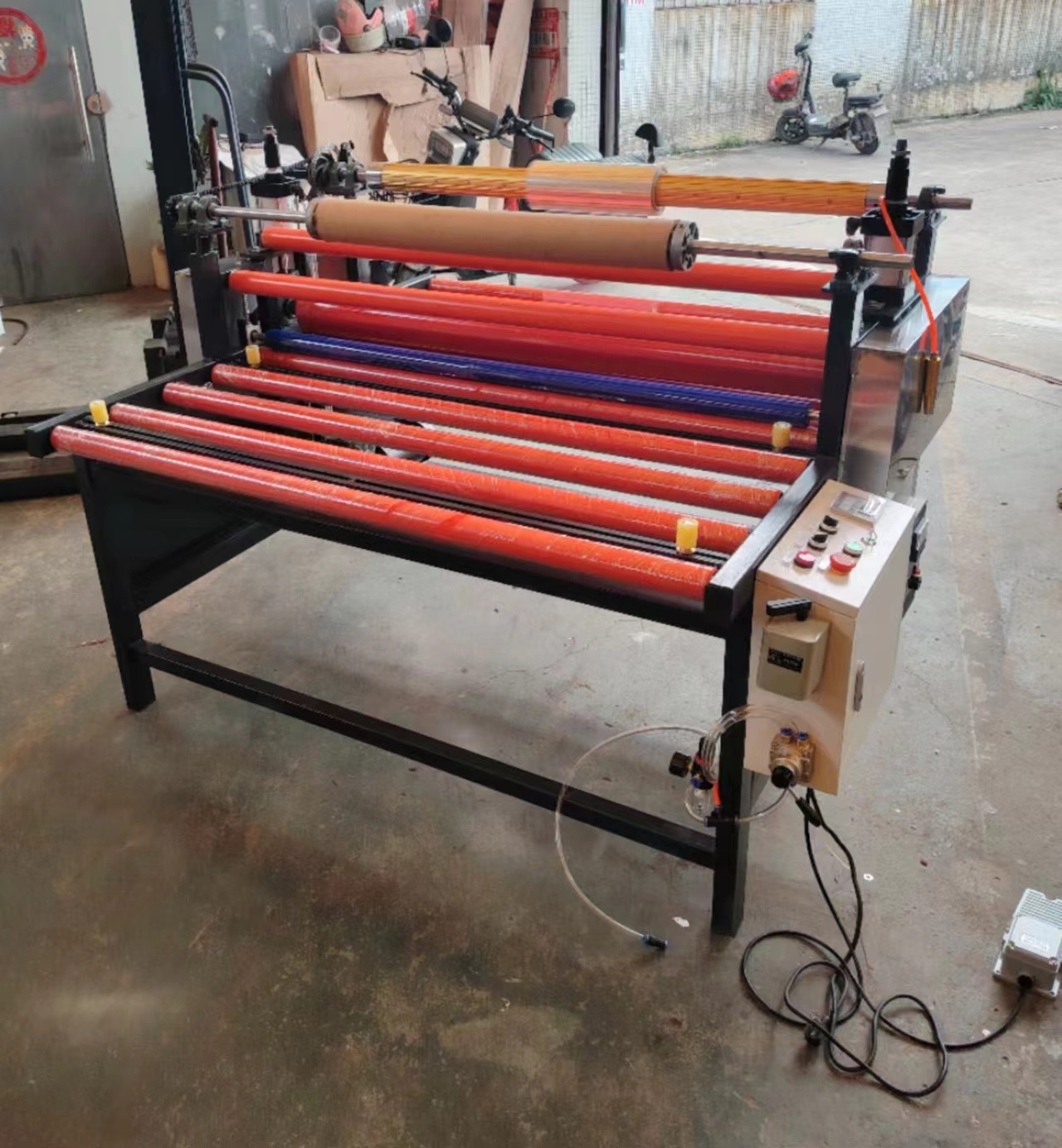
Choosing the ideal aluminum film lamination machine is a critical investment decision for businesses across printing, signage, packaging, crafts, and industrial manufacturing. A well-matched machine directly boosts production efficiency, ensures consistent lamination quality, and delivers long-term cost savings. To help you make a fully informed choice, we’ve broken down the key factors that should shape your purchasing decision, covering operational needs, technical performance, reliability, and long-term value.
1. Align with Your Core Production Requirements
The first step in selecting a laminating machine for aluminum panel is aligning the machine’s capabilities with your unique production workflow and output demands, as mismatched specifications will lead to inefficiencies and compromised results.
Production Scale & Automation Level
Evaluate your daily and monthly output volume to determine the optimal automation grade. Small studios, print shops, or low-volume craft businesses can efficiently operate with manual or semi-automatic aluminum film coating machine, which offer cost-effectiveness, compact sizing, and easy operation for limited batch work. For large-scale manufacturing facilities, high-volume sign-making plants, or commercial printing enterprises, fully automatic laminators are indispensable—these models feature automated feeding, pressing, and cutting functions, minimizing manual labor, reducing human error, and supporting continuous high-volume production.
Material Compatibility
Lamination machine for aluminum board are engineered to handle a diverse range of substrates, and verifying material compatibility is non-negotiable. Confirm the machine supports your core materials, including standard paper, cardstock, flexible plastics, vinyl, foam board, rigid metal sheets, wood panels, and other specialty substrates. Avoid models with limited material adaptability, as this will restrict your business’s service scope and future expansion.
2. Evaluate Critical Technical Specifications
Technical specifications define the machine’s functional limits and performance quality—prioritize these metrics to ensure they align with your daily production targets and finish standards.
- Working Width: The maximum working width is one of the most foundational specs. Measure your largest standard workpiece size and select a laminator with a width capacity that exceeds this measurement, accounting for future large-format projects to avoid costly upgrades down the line.
- Laminating Speed Range: Production speed directly impacts throughput. Choose a model with an adjustable speed range rather than a fixed speed, allowing you to balance speed and quality for different materials and project types. High-volume operations should prioritize faster, consistent speed capabilities, while delicate materials may require slower, controlled speeds for flawless finishing.
- Precise Temperature Control: Uniform, accurate temperature regulation is the backbone of high-quality lamination. Look for machines with digital temperature control systems, wide adjustable temperature ranges, and rapid heat stabilization features. Poor temperature control leads to bubbling, peeling, uneven adhesion, or damage to heat-sensitive materials, directly ruining finished products.
3. Prioritize Reputable Brands & Built-to-Last Quality
Opting for a aluminum film lamination machine from a trusted, industry-established brand is a reliable way to secure durable construction, consistent performance, and reliable functionality. Leading brands invest heavily in engineering, quality testing, and component durability, reducing the risk of frequent breakdowns and downtime. Research industry peer reviews, client testimonials, and case studies to gauge brand reputation, machine longevity, and real-world performance—avoid unknown or low-cost generic models that sacrifice quality for a lower upfront price.
4. Assess After-Sales Service & Maintenance Support
Industrial machinery like aluminum film laminating machine requires regular maintenance and occasional repairs, so comprehensive after-sales support is a critical long-term consideration. Before purchasing, confirm key service terms with the supplier: official warranty coverage period, on-site or remote repair response time, availability of replacement parts, and ongoing technical support. A supplier with responsive, global or regional service networks will minimize production downtime if issues arise, while clear maintenance guidelines will extend the machine’s service life.
5. Conduct a Full Cost-Benefit Analysis
Avoid focusing solely on the upfront purchase price—conduct a holistic cost-benefit analysis that includes both initial investment and long-term operating expenses. Calculate ongoing costs such as energy consumption, lamination film and adhesive consumables, routine maintenance, and potential repair fees. A slightly higher-priced, high-efficiency machine may deliver lower long-term operating costs, better energy efficiency, and higher product yield, making it a more economical choice than a cheap, high-maintenance alternative.
6. Verify Safety Certifications & Compliance
Operator safety and workplace compliance should never be overlooked. Ensure the flatbed laminator meets international and regional safety standards, holding relevant certifications such as CE, UL, or other industry-specific safety approvals. Key safety features include emergency stop buttons, protective guards, heat insulation panels, and overload protection—these features protect operators from injury and prevent workplace accidents, ensuring full compliance with occupational health and safety regulations.
7. Consider Environmental Performance & Specialized Features
With growing global emphasis on sustainable manufacturing, prioritize energy-efficient laminator models designed to reduce power consumption and emissions without compromising performance. Additionally, assess any specialized functional needs for your business: if you require double-sided lamination, anti-scratch finishing, matte/gloss dual finishing, or custom pressure adjustment, select a model equipped with these dedicated features to expand your service offerings and meet client-specific demands.
Final Takeaway
Selecting the right aluminum film lamination machine is a balanced assessment of production needs, technical performance, brand reliability, cost efficiency, and long-term support. By thoroughly evaluating each of these factors and cross-referencing real user feedback, you can narrow down the best models and brands that align with your business goals, ensuring a worthwhile investment that drives quality, efficiency, and growth for years to come.