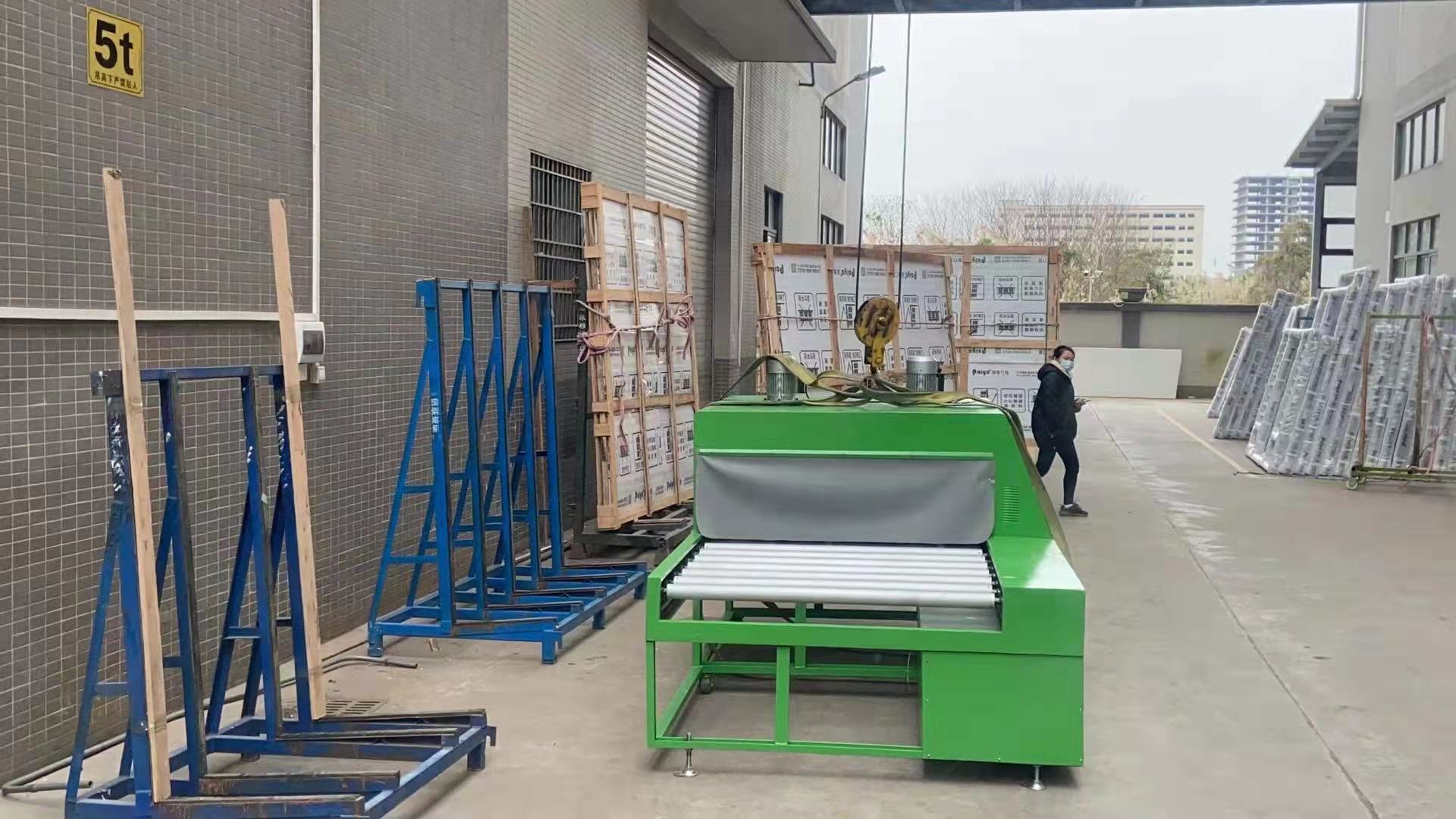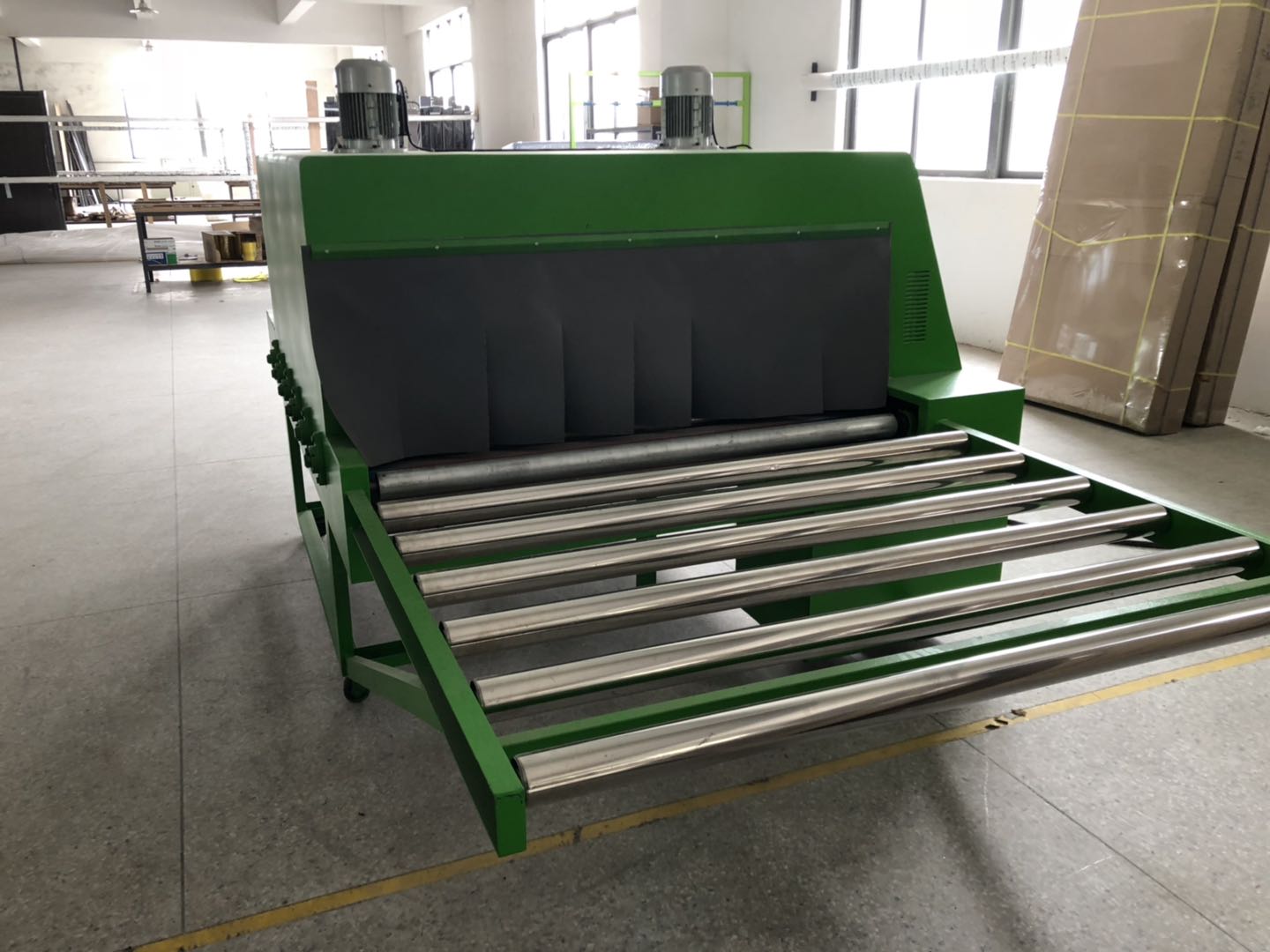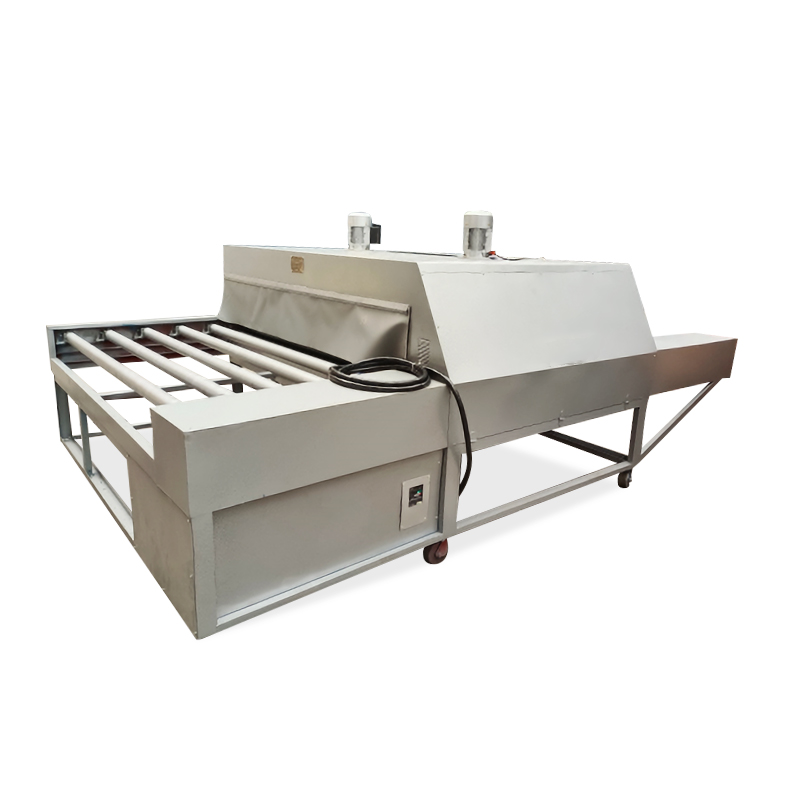
Key Factors to Consider When Investing in Window and Door Heat Shrink Packing Machine
In the window and door manufacturing industry, efficient and reliable packaging is a critical link connecting production to delivery. As market demand for customized products and production automation continues to rise, selecting the right packaging equipment has become a pivotal decision for enterprises. When purchasing a window and door heat shrink machine, it is essential to conduct a comprehensive assessment across multiple dimensions to ensure the equipment aligns with production needs and delivers long-term value. Below are the core factors that demand careful consideration.
1. Align with Product Characteristics and Packaging Requirements
The foundation of equipment selection lies in matching the specific characteristics of window and door products and packaging demands. First and foremost, clarify the product range: accurately measure the maximum and minimum dimensions (length, width, height) and weight of the windows and doors to be packaged. This data directly determines the equipment’s adjustable range and load-bearing capacity, avoiding issues such as equipment inadaptability or packaging damage.
Meanwhile, define the packaging process requirements. Different product attributes and circulation needs call for distinct packaging methods. For scenarios requiring dustproof, moisture-proof, and anti-collision protection during transportation, wrap-around packaging with strapping is a practical choice; for high-end products or those with strict appearance requirements, fully enclosed shrink wrapping is preferred to achieve a seamless, aesthetically pleasing packaging effect. Clarifying this in advance helps narrow down the equipment type and avoids unnecessary functional redundancy or insufficiency.
2. Match Production Capacity and Efficiency Goals
Production efficiency is a core indicator of whether packaging equipment can support enterprise operations. It is necessary to calculate the required packaging speed based on the average daily output and production cycle. For large-scale manufacturing enterprises with a daily processing capacity of over 500 units, fully automatic high-speed packaging models (with a speed of ≥15 packs per minute) are recommended. These equipment solutions can realize continuous automated operation, effectively reducing labor costs and improving production line rhythm.
For small and medium-sized enterprises with relatively low output or diversified small-batch production, semi-automatic or economy-class equipment is more cost-effective. Such models have lower investment costs and flexible operation, adapting to small-scale production needs while avoiding the waste of resources caused by excessive equipment capacity. It is crucial to strike a balance between current production capacity and future growth expectations to prevent frequent equipment upgrades.
3. Evaluate Core Equipment Performance and Configuration
The performance of a packaging machine directly determines packaging quality, operational stability, and maintenance costs. Focus on two core configuration aspects:
Transmission and Control System: A servo motor drive system is highly recommended. Compared with traditional motors, servo drives offer positioning accuracy of up to ±0.5mm, ensuring precise packaging size and alignment.
Additionally, they are 30% more energy-efficient, which helps reduce long-term operational energy consumption. The control system should adopt a PLC + touchscreen integrated design, which supports the storage of multiple product packaging recipes. This allows for quick parameter switching when producing different window and door specifications, greatly improving production efficiency and reducing changeover time.
Operational Stability and Durability: Pay attention to the equipment’s frame material, key component quality, and production process craftsmanship. High-quality profiles and wear-resistant parts can extend the equipment’s service life and reduce downtime caused by failures. It is advisable to select equipment from suppliers with mature manufacturing processes and good market reputation.
4. Prioritize Safety and Compliance Standards
Safety is the bottom line for equipment operation, especially for production lines involving large-sized and heavy-duty window and door products. When selecting packaging equipment, prioritize those that hold authoritative safety certifications such as CE certification, which guarantees compliance with international safety standards.
Equip the machine with essential safety protection devices: infrared light curtain safety systems can detect operator intrusion into dangerous areas and stop the equipment instantly; an emergency stop system ensures rapid shutdown in case of accidents. These measures not only protect the safety of operators but also reduce the risk of equipment damage and production losses.
5. Calculate Total Cost of Ownership (TCO)
When making a purchasing decision, it is unwise to focus solely on the initial purchase price. Instead, a comprehensive calculation of the total cost of ownership is essential. This includes not only the equipment’s purchase price but also long-term operational costs such as energy consumption, maintenance and repair costs, and spare parts replacement expenses.
Moreover, the supplier’s after-sales service system is a key factor affecting the TCO. Choose suppliers that provide a 2-year warranty and offer a 4-hour emergency response service. Timely after-sales support can minimize production downtime caused by equipment failures. By comparing the overall cost-performance ratio of different solutions, enterprises can select the packaging equipment that maximizes long-term value.
In conclusion, purchasing a window and door heat shrinking packing machine is a strategic investment. By comprehensively considering product compatibility, production efficiency, equipment performance, safety standards, and total cost of ownership, enterprises can select equipment that fits their production characteristics, enhance packaging efficiency and quality, and lay a solid foundation for improving market competitiveness.