Stretch wrapping and heat shrink packaging are two mainstream packaging methods in the aluminum industry, with significant differences in operating principles, material properties, application scenarios, and equipment investment. Understanding these differences helps aluminum profiles manufacturers choose the most suitable packaging solution for their products.
1. Fundamental Difference: Operating Principles
The core distinction between the two methods lies in their working mechanisms:
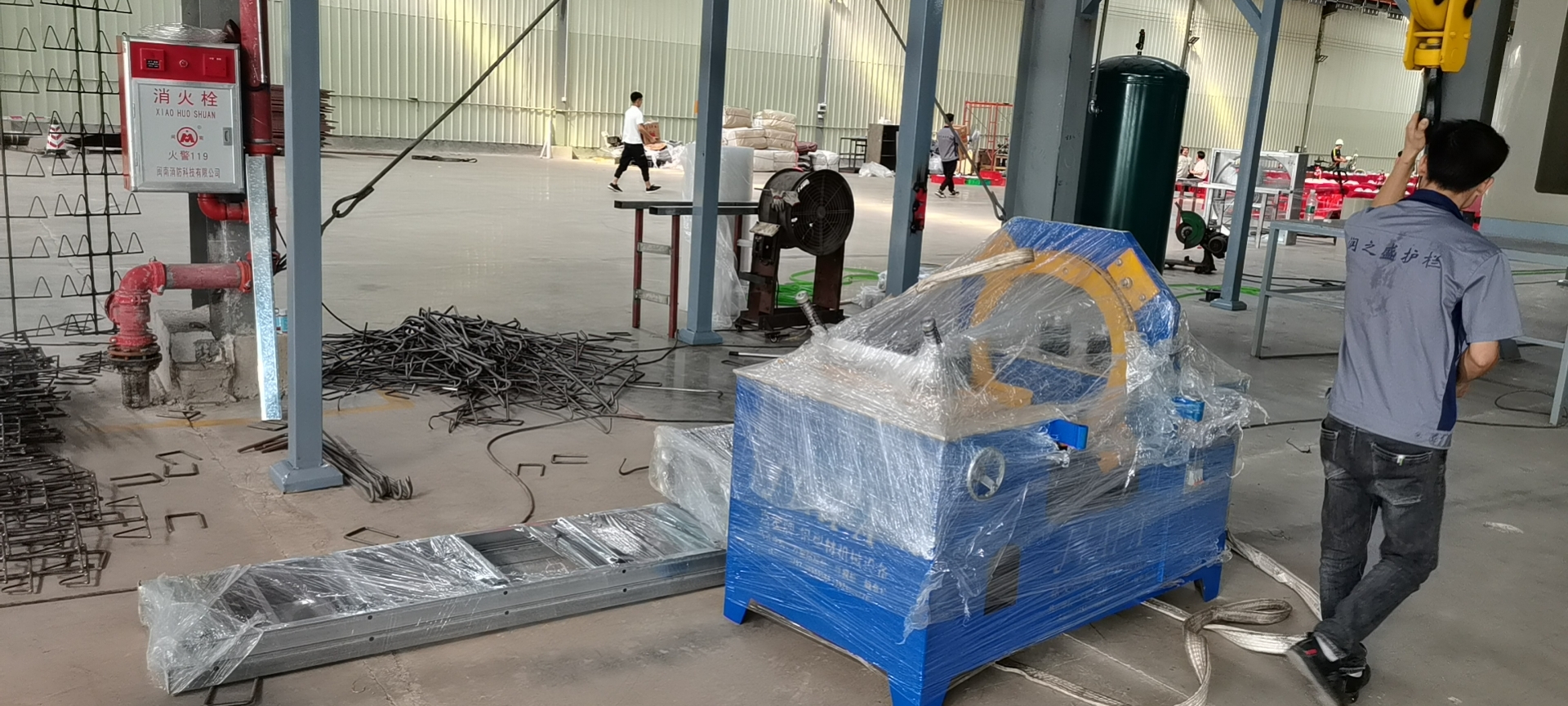
- Stretch Wrapping: Uses stretch film (typically LLDPE) that is mechanically stretched and wrapped around the product. It tightly covers the product surface through tension control, requiring no heat source during the entire process.
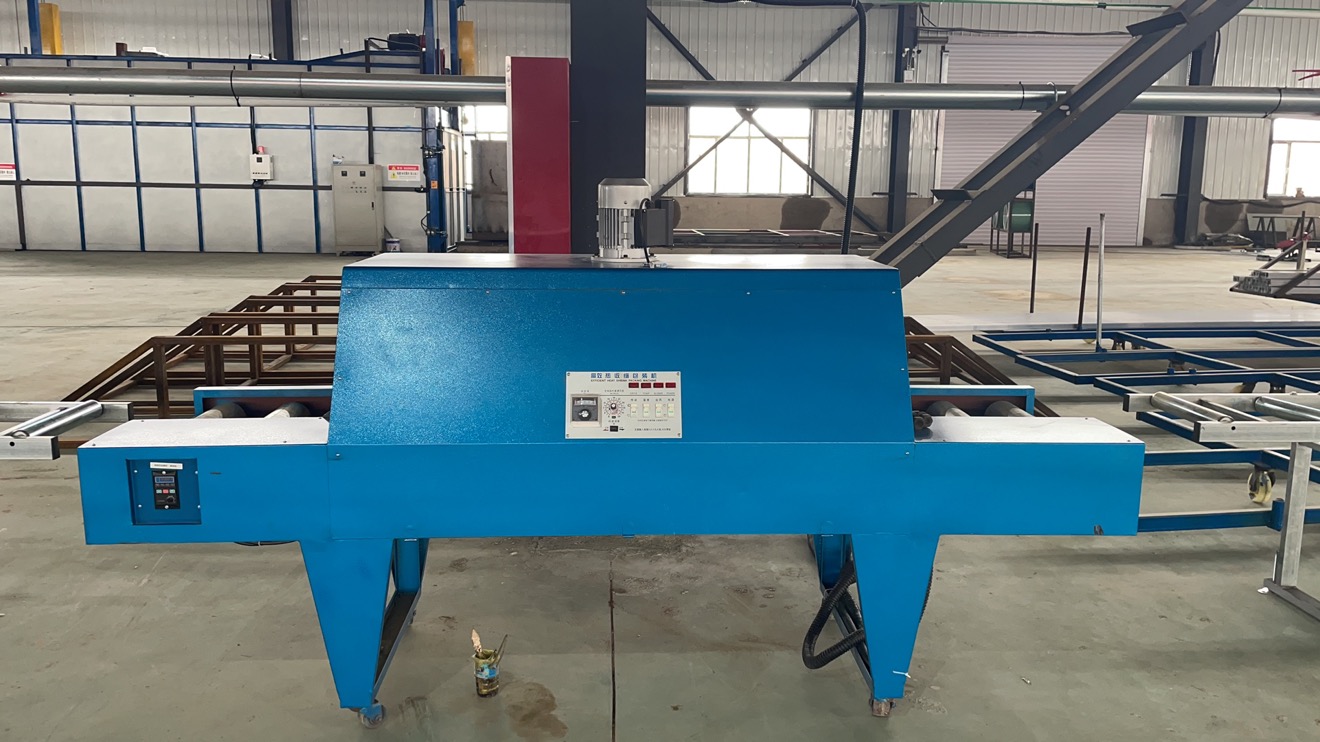
- Heat Shrink Packaging: Relies on heat-shrinkable film (such as PVC or POF). The film is first wrapped around the product, then heated to trigger shrinkage, forming a tight, sealed layer that conforms perfectly to the product’s shape.
2. Material Properties: Key Distinctions
The two packaging materials of packaging machine differ significantly in performance, which directly affects packaging results:
- Stretch Film: Boasts a pre-stretch ratio of up to 250%–300%, with high elasticity and puncture resistance. Its secure wrapping effect is achieved through precise tension control during the packaging process.
- Heat-Shrink Film: Features a transverse shrinkage rate of approximately 5%–40% and a longitudinal shrinkage rate of 50%–85%. It only forms a tight seal after being heated, ensuring a snug fit with the product.
3. Application Scenarios: Different Focuses
Each method is tailored to specific product needs and usage scenarios:
- Stretch Wrapping: Ideal for regular-shaped, hard-surfaced profile products (such as door and window frames). It offers fast packaging speeds and low material costs, though its protection for product edges is relatively limited.
- Heat Shrink Packaging: Forms a fully sealed “protective armor,” providing excellent waterproof and dustproof performance. It is particularly suitable for export products with high packaging requirements or profile products that require long-term storage. However, it requires additional heat source equipment, leading to higher energy costs.
4. Equipment Investment: Cost & Maintenance
- Aluminum Profile Wrapping Packing Machine: Have a relatively simple structure, lower initial investment, and minimal maintenance costs, making them cost-effective for small to medium-sized manufacturers.
- Aluminum Heat Shrink Packing machine: Require a shrink tunnel and precise temperature control system, resulting in higher initial investment and operating costs. However, they deliver a more professional, neat, and aesthetically pleasing packaging effect.
In summary, stretch wrapping excels in efficiency and cost-saving, while heat shrink wrapping prioritizes protection and packaging aesthetics. Aluminum Profiles manufacturers can select the appropriate method based on their product characteristics, packaging requirements, and budget constraints.