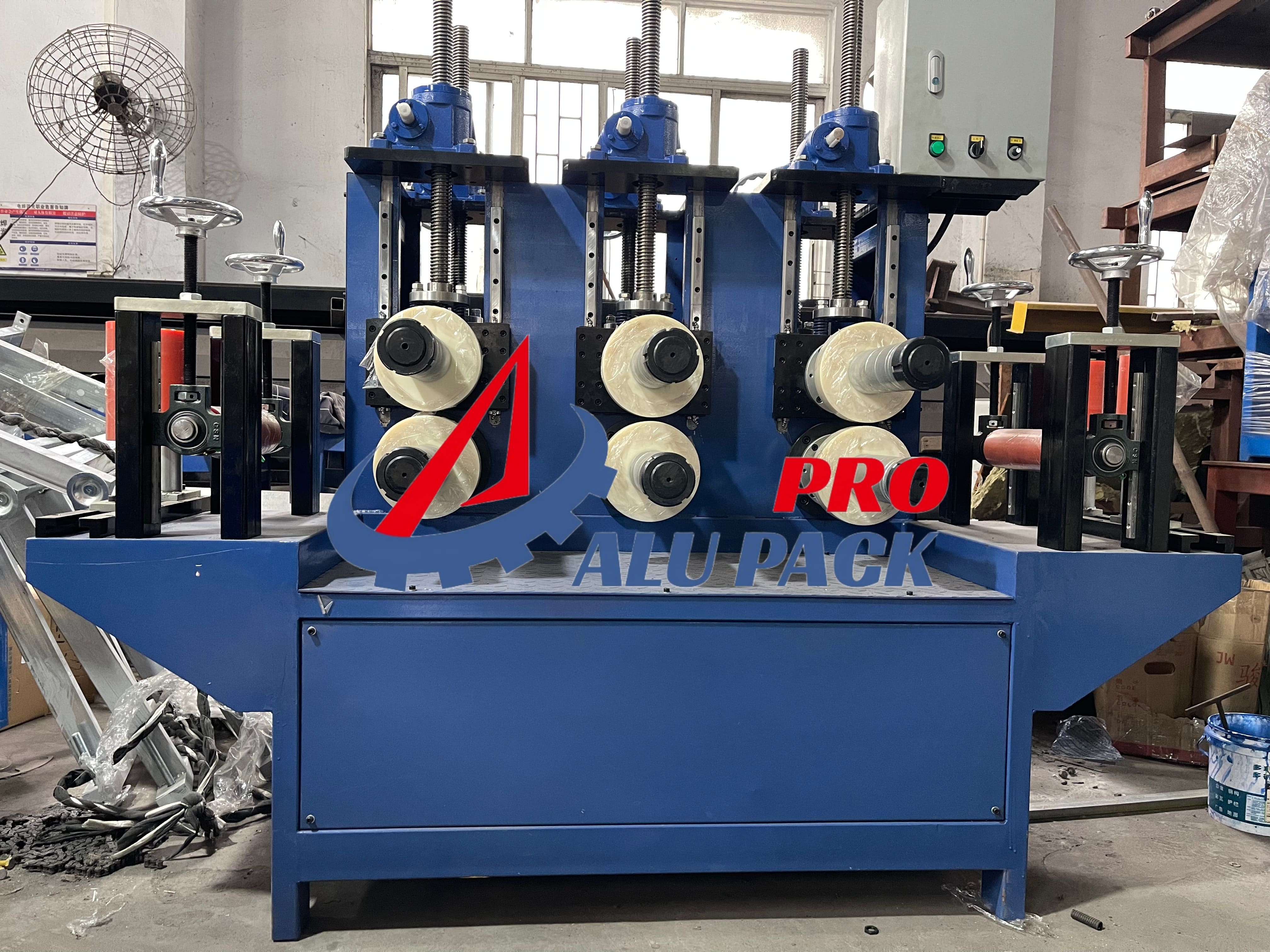
In the aluminum processing industry, the aluminum straightening machine (also known as aluminum correction machine) is a core piece of equipment that directly affects the quality and efficiency of aluminum profile processing. As an essential complement toaluminum surface shaping machine, selecting the right aluminum straightening machine is crucial for enterprises to optimize production, reduce costs, and ensure product consistency. To make an informed choice, a comprehensive assessment of the following key factors is required:
1. Clarify Your Processing Requirements
The first step in choosing a suitable aluminum correction machine is to clearly define your specific processing needs, which mainly include two aspects:
- Shape and Dimensions: Select an aluminum straightening machine based on the shape and dimensions of the aluminum profiles or sheets you need to process. Different machine models have distinct processing capabilities: some are specialized in handling thin, delicate aluminum sheets (often paired withaluminum surface shaping machine for precision finishing), while others are designed to handle thick, heavy aluminum materials that require high-precision straightening and correction.
- Processing Precision: If your production requires high-precision straightening, prioritize a machine with excellent stability and high accuracy. Pay close attention to key metrics such as processing accuracy, repetitive positioning accuracy, and surface roughness—these indicators directly determine whether the aluminum correction machine can meet the quality standards of your finished products.
2. Evaluate Equipment Performance
The performance of thealuminum straightening machine is the core of its functionality, and it should be evaluated from three key perspectives:
- Core Technology: Focus on the equipment’s core technologies, such as the material of the straightening rollers, the rolling system, and the level of automation. High-quality alloy straightening rollers can significantly improve processing efficiency and extend the machine’s service life, while advanced rolling systems ensure the flatness and smoothness of the processed aluminum surface—an essential requirement when used in conjunction withaluminum surface shaping machine for high-end products.
- Level of Automation: A higher level of automation (including automatic feeding, positioning, and scrap recovery) not only reduces manual intervention and operational errors but also greatly enhances the overall efficiency of the production line. Advanced aluminum correction machine models often integrate intelligent control systems to achieve seamless coordination with other processing equipment.
3. Prioritize Stability and Durability
Choose an aluminum straightening machine that can maintain stable performance during long-term high-load operation. Stable operation minimizes downtime caused by mechanical failures, ensuring continuous production and reducing maintenance costs. This is particularly important for enterprises with large-batch production needs, as frequent breakdowns can disrupt the entire processing workflow—especially when paired with aluminum surface shaping machine in a streamlined production line.
4. Conduct a Cost-Benefit Analysis
Comprehensively assess the equipment’s acquisition cost, and integrate this cost into your overall production workflow to calculate the actual benefits. A high-quality aluminum correction machine may have a higher initial investment, but it can bring long-term gains through improved production efficiency, reduced material waste, and lower rework costs. Additionally, its compatibility with aluminum surface shaping machine can further optimize production efficiency and product quality, maximizing return on investment.
5. Choose Reputable Brands and Reliable After-Sales Service
Opt for aluminum straightening machine brands with a good market reputation. Reputable brands usually have mature production technology, strict quality control, and a comprehensive after-sales service system—including installation guidance, maintenance support, and spare parts supply. This ensures that any issues with your aluminum correction machine (or supporting aluminum surface shaping machine) can be resolved promptly, minimizing production disruptions.
6. Consider the Operating Environment
Take into account your workshop’s operating environment, including factors such as temperature, humidity, and dust levels. Select an aluminum straightening machine specifically designed to adapt to these conditions—for example, machines with dust-proof and corrosion-resistant designs are more suitable for harsh workshop environments, ensuring stable performance and a longer service life.
7. Match Processing Speed to Production Needs
If high production efficiency is a priority, choose an aluminum correction machine capable of high-speed processing. Advancedaluminum straightening machine models often use multi-axis control and high-speed motion technologies to achieve faster processing speeds, which can be seamlessly integrated with aluminum surface shaping machine to form an efficient production line, meeting the needs of large-batch production.
8. Ensure Strong Adaptability
Select equipment with strong adaptability—machines that can handle aluminum profiles made from various materials (such as 6061, 6063, and other common aluminum alloys) while consistently delivering precise straightening results. A versatile aluminum straightening machine can also be paired with different aluminum surface shaping machine models, adapting to changing production needs and expanding your processing capabilities.
Conclusion
By comprehensively considering these factors, you can select the aluminum straightening machine (aluminum correction machine) that best fits your enterprise’s specific needs. A well-chosen aluminum straightening machine, when paired with a high-quality aluminum surface shaping machine, not only enhances production efficiency and product quality but also reduces operational costs, helping your enterprise gain a competitive edge in the aluminum processing market.