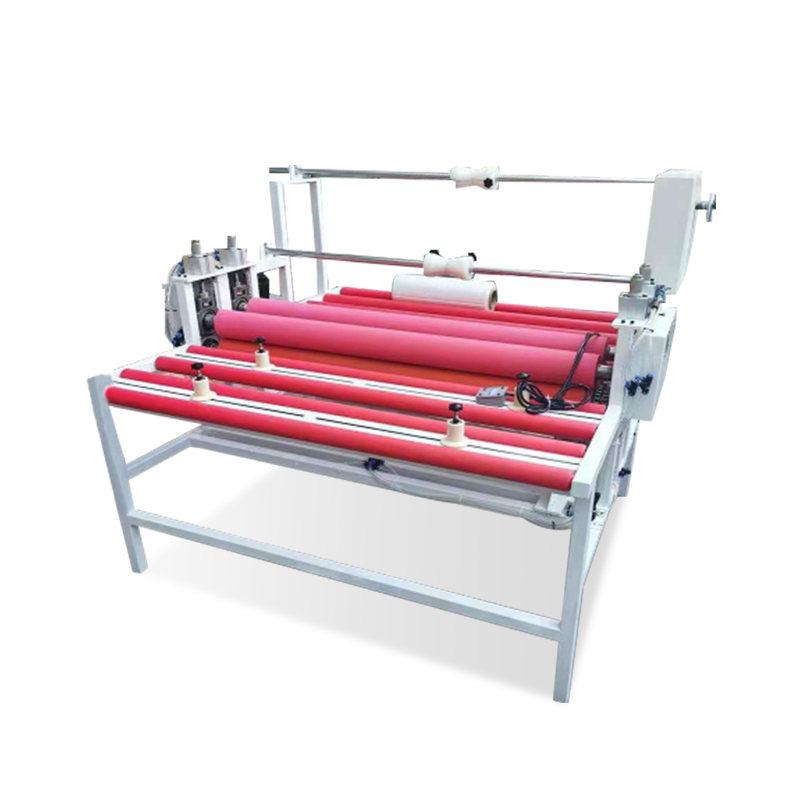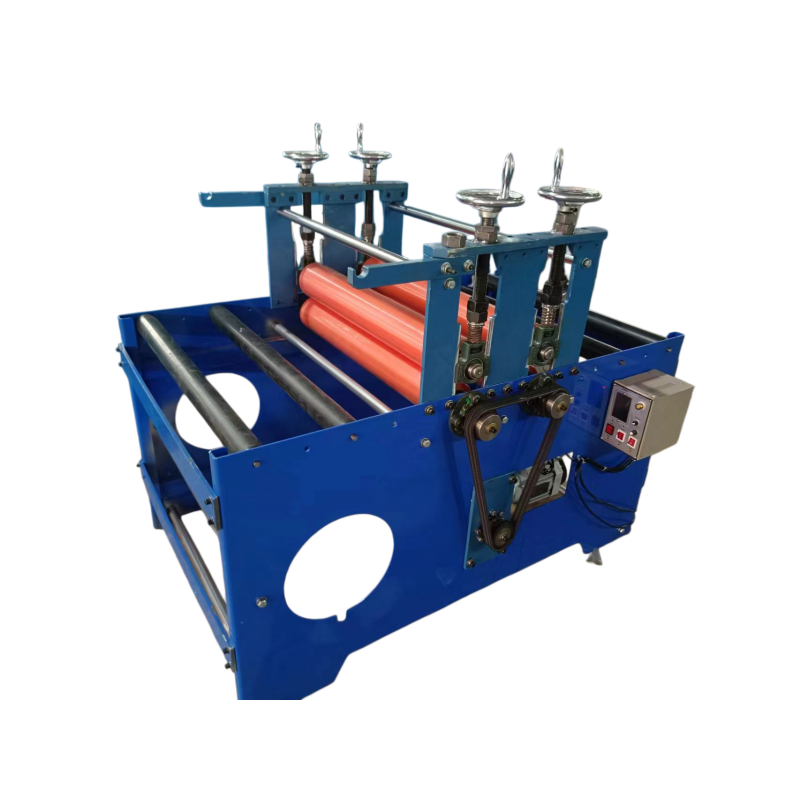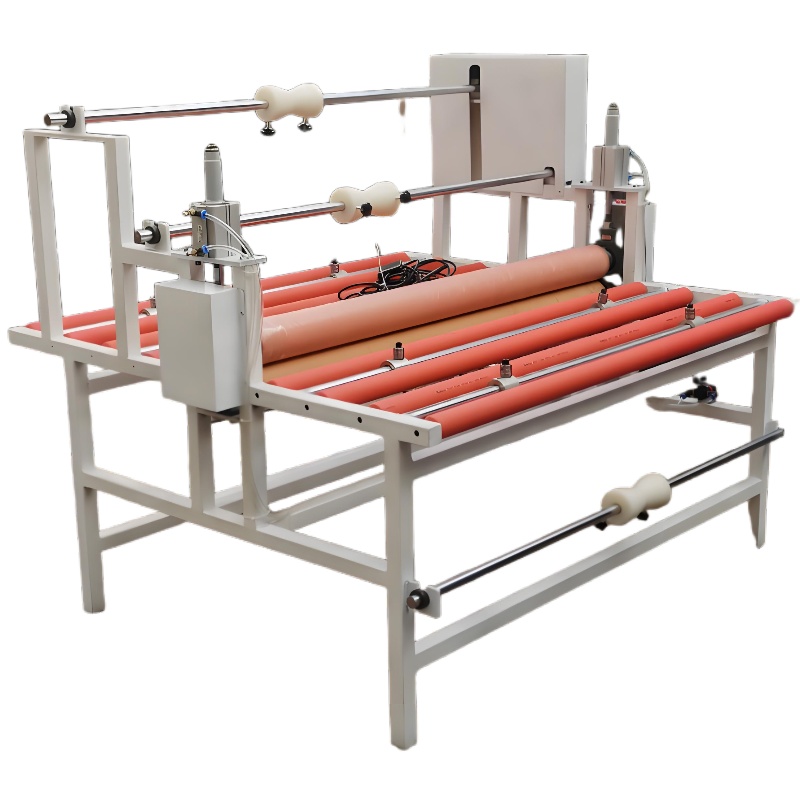
Flatbed laminators are vital surface finishing devices for panel protection and decorative film bonding, widely used in the aluminum processing industry. Professional equipment including the aluminum film lamination machine, aluminum sheet laminating machine, laminating machine for aluminum panel and lamination machine for aluminum board has become standard for standardized aluminum surface treatment. This article categorizes flatbed laminators by lamination process, heating method and pressing mechanism, clarifying their working principles and applicable scenarios to help aluminum manufacturers select suitable equipment.
Industrial flatbed laminators are mainly classified into three types: cold-lamination, hot-lamination and vacuum-forming laminators, based on core working technologies. They can be further divided into roller-press and flat-press models according to pressing mechanisms, adapting to lamination processing for aluminum sheets, aluminum panels and aluminum boards of different thicknesses and specifications.
Cold-Lamination Flatbed Laminator
Cold-lamination flatbed laminators complete film bonding purely by mechanical pressure and the adhesive force of self-adhesive films, requiring no heating. This heat-free processing avoids thermal deformation and discoloration, making it ideal for heat-sensitive substrates. The cold-press aluminum sheet laminating machine is commonly used for temporary surface protection of thin aluminum sheets and lightweight aluminum panels, effectively preventing scratches, dust and contamination during transportation and factory turnover, suitable for short-term protection of aluminum decorative boards and advertising aluminum panels.
Hot-Lamination Flatbed Laminator
Hot-lamination flatbed laminators adopt thermal melting bonding technology. Heating rollers or heating plates melt the hot-melt adhesive on laminating films, and matched mechanical pressure achieves firm integration of film and substrates. Featuring high bonding strength and long-lasting durability, hot lamination is ideal for high-standard and long-term outdoor use. Industrial aluminum film lamination machine mainly adopts hot lamination technology, stably attaching anti-oxidation, wear-resistant and decorative films to aluminum panels and profiles.
Hot lamination equipment is split into hot roller-press and hot flat-press types. Roller-press models deliver fast, efficient lamination for thin, flat aluminum sheets, suitable for mass production. Flat-press models provide uniform and stable pressure, solving incomplete lamination caused by slight surface unevenness of thick plates. For this reason, professional laminating machine for aluminum panel and lamination machine for aluminum board adopt flat-press structure, ensuring bubble-free, wrinkle-free and tight full-surface lamination for thick aluminum veneers, curtain wall panels and home furnishing aluminum boards.
Vacuum-Forming Flatbed Laminating Machine
Vacuum-forming flatbed laminating machine is an upgraded advanced version of hot lamination equipment. It integrates vacuum adsorption, uniform heating and negative pressure forming. It fixes aluminum substrates via vacuum suction, softens laminating films by heating, and uses vacuum pressure to achieve tight film fitting. Breaking the limitations of traditional flat and roller pressing, it supports lamination for non-flat workpieces.
This advanced vacuum lamination technology perfectly adapts to curved surfaces and special-shaped aluminum panels, solving the processing bottleneck of traditional laminators. The vacuum-type aluminum film lamination machine enables seamless full-coverage lamination for high-end customized and irregular aluminum decorative panels, greatly improving product texture and added value.
Selection Tips Based on Pressing Mechanism
In practical production, roller-press laminators excel in high-efficiency batch processing of thin, flat aluminum sheets. Flat-press laminators feature balanced and precise pressure output, perfectly fitting thick aluminum boards and panels with minor surface irregularities, and maintaining stable lamination quality for laminating machine for aluminum panel and lamination machine for aluminum board.
Conclusion
To conclude, cold lamination suits temporary protection of heat-sensitive aluminum materials, hot lamination is the mainstream for high-strength durable aluminum panel lamination, and vacuum lamination meets complex processing demands of special-shaped aluminum workpieces. Reasonably selecting and matching aluminum sheet laminating machine and aluminum film lamination machine by process and structure effectively improves aluminum surface finishing quality and overall production efficiency.